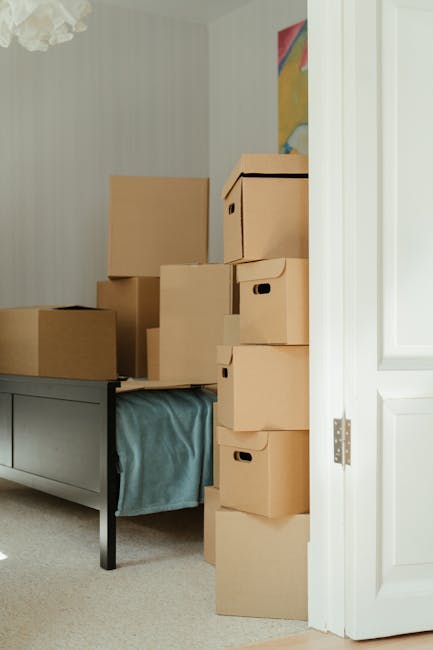
Queen Park flat removals Brent packing and moving: a practical guide for a smoother move
Moving out of a flat in Queen Park, Brent can feel straightforward right up until you start carrying boxes down narrow stairs, juggling parking, and trying to wrap a lamp that seems to have too many awkward bits. That is usually where good planning makes the difference. This guide to Queen Park flat removals Brent packing and moving walks you through the process in plain English, from choosing the right service to packing properly, avoiding common delays, and knowing what to expect on moving day.
Whether you are leaving a studio, a family flat, a shared apartment, or a top-floor place with tight access, the goal is the same: keep the move calm, protect your belongings, and avoid nasty surprises. Let's face it, moving day is busy enough without discovering at 8:15am that the sofa won't turn on the landing.
This article covers the essentials, but also the small details that often get missed. You will find practical steps, a comparison table, a checklist, and a realistic example to help you plan with confidence.
For a broader look at flat moving support, you may also find the flat removals service useful alongside packing and boxes and packing and unpacking services.
Table of Contents
- Why Queen Park flat removals Brent packing and moving Matters
- How Queen Park flat removals Brent packing and moving Works
- Key Benefits and Practical Advantages
- Who This Is For and When It Makes Sense
- Step-by-Step Guidance
- Expert Tips for Better Results
- Common Mistakes to Avoid
- Tools, Resources and Recommendations
- Law, Compliance, Standards, or Best Practice
- Options, Methods, or Comparison Table
- Case Study or Real-World Example
- Practical Checklist
- Conclusion
- Frequently Asked Questions
Why Queen Park flat removals Brent packing and moving Matters
Flat moves in Queen Park are rarely just about getting items from one place to another. In Brent, apartment buildings often bring their own mix of access issues, parking pressure, shared entrances, stairwells, lifts that seem to have a mind of their own, and neighbours who would very much prefer the hallway not become a warehouse for cardboard.
That matters because small delays add up quickly. If a van cannot park close enough, if boxes are poorly labelled, or if fragile items are packed in a rush, the whole day can wobble. A flat removal is usually less forgiving than a house move. Space is tighter, routes are narrower, and one badly packed box can slow everything down.
There is also the emotional side. Moving home is a lot. People are often trying to hand back keys, protect deposits, keep the new place tidy, and stay on good terms with landlords or managing agents. When packing and moving are handled properly, the whole experience feels less chaotic. Not effortless, maybe. But manageable, which is a much better place to be.
Expert summary: In flat removals, preparation is not a luxury; it is what keeps the move on time, protects fragile items, and reduces friction with access, parking, and shared building rules.
How Queen Park flat removals Brent packing and moving Works
The process usually starts with a quick assessment of what needs moving, where it is coming from, where it is going, and what the building access looks like. That includes stairs, lift access, distance from the van to the entrance, and whether there are any bulky or awkward items like a wardrobe, mattress, bike, or piano. If you are moving from a higher floor, that detail matters more than people think.
From there, packing is planned around item type and room priority. Kitchen items, books, clothes, electronics, and breakables should not all be treated the same. Good movers and careful customers tend to group items by room and by fragility, then label boxes clearly so unloading is not a guessing game later.
On moving day, the team typically loads the heaviest items first, then stacks boxes by weight and fragility. Flat moves are often faster when walkways are kept clear and boxes are ready before the van arrives. That sounds obvious, but in the middle of a move it is surprisingly easy to lose track of where the tape, kettle, phone charger, and one crucial document have gone.
If the move needs extra flexibility, some people choose a man and van style service for smaller loads, while larger or more complex moves may suit a more full-service approach through removal services. For bigger loads, a moving truck or removal van may be the better fit.
Key Benefits and Practical Advantages
Well-planned flat removals do more than save effort. They make the move safer, faster, and less stressful. That is the real value here.
- Better protection for belongings: Correct packing materials and sensible loading reduce breakages and scratches.
- Less wasted time: Clear labels and a room-by-room plan speed up both loading and unloading.
- Easier access management: Planning for stairs, lifts, and parking avoids last-minute scrambling.
- Lower physical strain: Heavy lifting is easier to control when done with proper equipment and technique.
- Cleaner handover: A tidy, organised move helps when returning keys or checking the flat before leaving.
- Fewer surprises: Knowing what fits, what needs disassembly, and what should travel separately reduces stress on the day.
There is also a practical cost benefit. When everything is packed properly the first time, you are less likely to waste money on extra trips, emergency supplies, or damaged goods. You do not need a perfect move. You need a sensible one.
Who This Is For and When It Makes Sense
This kind of move makes sense for a wide range of people. If you live in a Brent flat and are moving locally, the challenge is usually about speed and access. If you are moving further across London, the packing side becomes even more important because items will spend longer in transit and may be handled more than once.
It is especially useful for:
- tenants leaving a rented flat and needing a clean, organised exit
- first-time movers who want a simple process explained clearly
- couples combining households and trying to reduce duplicate items
- students moving between term-time accommodation and summer storage
- busy professionals who do not have the time to pack everything themselves
- people with bulky furniture or awkward access
Sometimes the best option is not the biggest one. For a small flat with minimal furniture, a man with van arrangement may be enough. For a move involving a full household of flat contents, a more complete removals service may be the smarter call. It depends on the amount of stuff, the building layout, and how much time you have before checkout.
Step-by-Step Guidance
1. Start with an honest inventory
Walk through the flat and list what is actually moving. People often underestimate how many small items they own. One cupboard of kitchen bits turns into four boxes very quickly. Be honest about bulky items too. If the sofa is awkward, say so early. If the bed frame needs disassembly, note that. That helps avoid delays later.
2. Decide what to keep, donate, store, or remove
Moving is the perfect moment to sort out clutter. If something has not been used in a year and it is not sentimental, it may be time to pass it on. For items you are not ready to part with, short-term storage can be a helpful bridge. A move always feels lighter when you are not carrying unnecessary furniture or forgotten boxes of cables from 2018.
3. Gather packing materials early
Strong boxes, tape, paper or wrap, markers, and protective covers are not optional extras. If you are moving fragile kitchenware or decorative pieces, quality materials matter. The difference between a tidy arrival and a box of broken bits is usually just a bit of preparation.
4. Pack by room and by weight
Keep items from each room together where possible, but do not overfill boxes. Heavy items like books should go in smaller boxes. Lighter items like bedding can fill larger ones. This is basic, but it makes carrying easier and far safer for everyone involved.
5. Label clearly and sensibly
Write the room name and a short content note on each box. For example: "Kitchen - mugs and plates" or "Bedroom - winter clothes". If a box is fragile, say that plainly. Fancy label systems are fine, but simple works best when you are tired and it is raining at 6pm.
6. Prepare the flat for loading
Clear hallways, protect flooring if needed, and make sure larger items are ready to move. If you have reserved parking space or arranged access with a building manager, confirm it before the van arrives. In Queen Park, that small bit of planning can save a lot of head-scratching on the pavement.
7. Load in the right order
Heavier items and furniture usually go in first, then well-stacked boxes, then fragile items in safe positions. The goal is stability. Nothing should shift around like a box of cutlery in a washing machine.
8. Check the old flat before leaving
Do a last sweep. Cupboards, drawers, under beds, behind doors, on top of shelves. It is astonishing how often chargers, keys, or documents hide in plain sight at the very end.
9. Unload with a plan
At the new place, direct boxes straight into the correct room if possible. That one habit saves a mountain of sorting later. If unpacking is part of the service, or you want to use it, packing and unpacking services can make the day feel far less heavy.
Expert Tips for Better Results
Over the years, a few patterns keep showing up. The best moves are not always the biggest or the most expensive. They are the ones where the details are handled properly.
- Pack one "first night" box: Kettle, mugs, tea, toiletries, charger, basic tools, and a change of clothes. You will thank yourself later.
- Use smaller boxes for dense items: This reduces the risk of collapsed bottoms and bad backs. Simple as that.
- Disassemble furniture in advance if you can: Beds, tables, and shelving are often easier to move in pieces.
- Protect corners and glass: Mirrors, frames, and tabletops need extra care. Do not trust luck.
- Keep valuables with you: Passports, keys, paperwork, jewellery, and medicines should travel separately.
- Take photos of wiring: It helps when reconnecting lamps, TVs, and small appliances later.
A practical little trick: keep a roll of tape and a marker in your pocket or coat. People laugh until they need them three minutes before the van leaves.
If you are moving a single heavy item or one awkward piece of furniture, furniture removals or even a focused furniture pick up can be more efficient than booking a larger move than you need.
Common Mistakes to Avoid
A lot of moving stress comes from the same handful of mistakes. The good news? They are easy to avoid once you know what to look for.
- Leaving packing too late: The final evening should not be your main packing session unless you enjoy chaos.
- Using oversized boxes for heavy items: This leads to injuries and damaged bottoms. Not ideal.
- Forgetting access details: Parking, lifts, loading bays, and stair width all affect how long the move takes.
- Poor labelling: "Miscellaneous" is not a helpful room strategy. It just moves the confusion somewhere else.
- Not measuring bulky furniture: A sofa that looks fine in the flat may become a problem at the stairwell.
- Ignoring insurance and protection: Ask how belongings are handled and covered, rather than assuming everything is automatically fine.
One of the biggest hidden mistakes is underestimating how draining a flat move can feel physically. Even when the boxes are ready, the repeated bending, carrying, and door-opening takes it out of you. Build in breathing room. Honestly, a five-minute pause can save a lot of sloppy decisions.
Tools, Resources and Recommendations
You do not need a warehouse of equipment to move well, but a few basics make life easier.
- Strong cardboard boxes: Choose different sizes for different items.
- Packing tape: More reliable than trying to make old tape do one more job.
- Permanent marker: For room labels and handling notes.
- Bubble wrap or paper: Useful for glass, ornaments, and kitchenware.
- Furniture covers or blankets: Helps reduce scuffs during loading.
- Basic tool kit: Handy for bed frames, shelves, and small disassembly tasks.
- Phone flashlight: Very useful in dark cupboards and those final checks under the bed.
If you want help with packing materials and sensible box planning, the packing and boxes service can be a practical starting point. For people who want a more streamlined experience, a full home moves approach can be easier than juggling separate tasks on your own.
You should also look for a team that takes safety seriously. That includes safe lifting, sensible loading, clear communication, and decent handling of fragile furniture. If you want reassurance on that side, see the company's health and safety policy and insurance and safety information.
Law, Compliance, Standards, or Best Practice
Moving a flat in the UK is not usually complicated from a legal point of view, but there are still important practical and compliance-related points to keep in mind. Building rules, parking arrangements, landlord expectations, and responsible handling of belongings all matter. In some cases, managing agents may have specific move-in or move-out requirements, and it is sensible to confirm those early rather than assume.
Best practice also means using suitable lifting methods, keeping walkways clear, and securing loads properly in transit. These are ordinary moving standards, but they matter because they reduce the risk of injury and damage. If a mover is transparent about its terms, payment process, safety approach, and complaint handling, that is a good sign. You can review useful company information such as pricing and quotes, payment and security, terms and conditions, and complaints procedure.
There is also a sustainability angle. Moving often produces cardboard, wrap, old furniture, and unwanted household items. Choosing a provider that thinks carefully about reuse and recycling is simply better practice. If that matters to you, take a look at the recycling and sustainability page.
Options, Methods, or Comparison Table
Different moves call for different approaches. A compact Queen Park flat move does not need the same setup as a full-house relocation, and trying to force the wrong service usually costs more time than it saves.
| Option | Best for | Strengths | Watch-outs |
|---|---|---|---|
| Man and van | Small flats, single-room moves, light loads | Flexible, practical, often quicker to arrange | May not suit large furniture or full household loads |
| Removal van | Medium flat removals with a decent amount of boxes | Good balance of capacity and convenience | Still needs proper packing and access planning |
| Full removals service | Larger flat moves, busy households, fragile items | More support, better for complex jobs | Usually more expensive than a basic vehicle-only option |
| Truck hire | Moves with lots of furniture or multiple trips | High capacity, useful for bigger loads | Needs confident planning and loading discipline |
If you are unsure, think about volume first, not just distance. A short move can still be difficult if the flat is on the third floor with awkward stairs and a large wardrobe that will not cooperate. True story, wardrobes rarely do.
Case Study or Real-World Example
Here is a realistic example. A couple moving from a two-bedroom flat in Queen Park had the usual mix: books, kitchenware, framed prints, a bed, a sofa, and far too many small items tucked into cupboards. At first, they thought packing would take one long evening. It did not. Once they started grouping items by room, they realised the move was more spread out than expected.
They sorted fragile items first, took apart the bed early, and packed a "first night" box with kettle, mugs, toiletries, bedding, and chargers. They also checked parking space outside the building and cleared the hallway before the van arrived. Nothing dramatic. Just steady, sensible prep.
The result was a much smoother day. Boxes were labelled clearly, furniture moved without panic, and unloading at the new flat was quicker because each room had its own pile. There was still the usual moving-day tiredness, of course. You cannot quite escape that. But it felt controlled, which is the part people remember later.
That kind of outcome is exactly why professional removal companies are often worth comparing carefully instead of choosing on price alone. The cheapest option is not always the calmest one.
Practical Checklist
Use this before move day. It is simple, but it catches the basics.
- Make an item list for each room
- Confirm move date, access, and timing
- Check parking and loading arrangements
- Order boxes, tape, wrap, and labels
- Pack non-essential items first
- Set aside valuables and important documents
- Label every box clearly
- Disassemble furniture that will not fit safely assembled
- Protect fragile items and mirrors
- Prepare a first night box
- Do a final sweep of the flat
- Confirm keys, handover details, and next steps
If you are a student, a smaller setup may be enough, and the student removals option can be a good fit when the move is simple but time-sensitive. For bigger personal moves, some people prefer the flexibility of man with a van support rather than trying to hire a vehicle and manage everything alone.
Conclusion
Queen Park flat removals Brent packing and moving is really about control. Control over the boxes, the timing, the access, the furniture, and the many little details that can either smooth the day or turn it into a slog. When you plan well, pack properly, and choose the right moving setup for the size of your flat, the whole process becomes much easier to handle.
The biggest lesson is a simple one: do the small things early. Label the boxes. Measure the awkward furniture. Confirm the parking. Keep valuables with you. Those steps do not feel exciting, but they make a huge difference when the van arrives and the day starts moving fast. And once it is all done, there is a very particular kind of relief in standing in an empty flat, hearing your own footsteps echo a bit, and knowing you handled it properly.
If you are comparing your options, start with the services that match your load and access needs, then work backwards from there. A well-planned move is usually a calmer move, and that is what most people really want.
Get a free quote today and see how much you can save.
Frequently Asked Questions
What does Queen Park flat removals Brent packing and moving usually include?
It usually includes planning, packing support, loading, transport, and unloading. Depending on the service, it may also include dismantling furniture, packing materials, and help with fragile items.
How far in advance should I book a flat removal in Brent?
As early as you can, especially if you are moving at month-end or on a weekend. Popular dates tend to go quickly, and good planning helps avoid a rushed move.
Is a man and van service enough for a small flat move?
Often, yes. For a small one-bedroom or studio flat with limited furniture, a man and van setup can be a practical and cost-effective choice. Larger moves usually need more capacity.
Do I need to pack everything myself?
Not necessarily. Many people pack some items themselves and leave fragile or time-consuming items to professional packing support. It depends on budget, timing, and how much help you want.
What should I pack first when moving from a flat?
Start with items you do not use every day, such as spare bedding, books, seasonal clothes, ornaments, and off-season kitchen items. Leave daily essentials until last.
How do I protect fragile items during a flat move?
Use sturdy boxes, fill empty gaps so items do not shift, wrap breakables individually, and label the box clearly. Fragile items should also be loaded carefully so they are not crushed.
What if my flat has no lift or awkward stairs?
Tell the mover before booking. Access details affect the type of vehicle, the number of people needed, and how long the move may take. It is better to flag this early than on the morning itself.
Can I store some items instead of moving everything at once?
Yes. Short-term storage can be useful if you are downsizing, waiting for keys, or still deciding what to keep. It can take a lot of pressure off the move.
How do I compare removal companies fairly?
Look at service scope, access support, packing options, safety approach, terms, and pricing clarity. The most useful quote is the one that clearly explains what is included, not the one that looks cheapest at first glance.
What should I keep with me on moving day?
Keep keys, ID, important paperwork, medication, chargers, valuables, and any items you may need immediately. If you can live without it for a day, it can go in the van. If not, keep it close.
Do I need special help for furniture removals?
Yes, if the furniture is heavy, valuable, awkward, or likely to damage walls and floors. A proper furniture-focused service can reduce the risk of scratches and broken fittings.
What is the biggest mistake people make with flat packing and moving?
Leaving too much until the last minute. That is usually what causes stress, poor labelling, and rushed loading. A calm move is mostly built before moving day even begins.
For readers who want to explore related options, services such as home moves, house removals, and about us can help you understand the wider support available from the same provider.